The Ultimate Guide to Standing Seam Metal Roofing: 2026 Edition
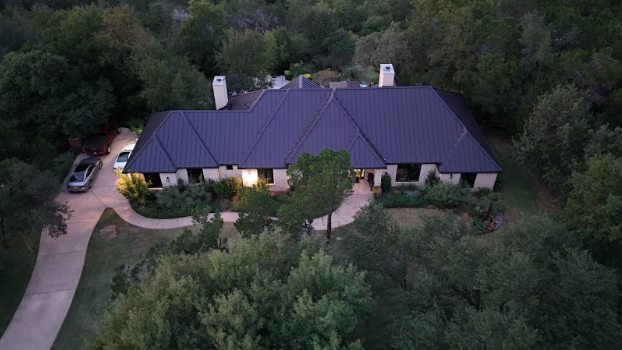
When it comes to residential roofing, homeowners in 2026 are increasingly moving away from temporary solutions and toward "lifetime" investments. While asphalt shingles remain a common choice due to low upfront costs, standing seam metal roofing has become the gold standard for those prioritizing durability, modern aesthetics, and long-term resale value.
What is a Standing Seam Metal Roof?
A standing seam system is a premium metal roofing profile characterized by vertical ribs or "seams" that stand above the level of the roof’s flat surface. Unlike exposed fastener metal panels (like corrugated metal), standing seam uses a concealed fastener design.
The Concealed Fastener Advantage
In traditional metal roofs, screws are driven through the face of the panel, creating thousands of potential leak points as rubber washers degrade over time. In a standing seam installation, the panels are attached to the roof deck using hidden clips. This means:
Zero weather exposure for the fasteners.
Thermal movement support: The panels can expand and contract freely during temperature swings without "oil canning" or stress on the metal.
Snap-Lock vs. Mechanical Lock: Which is Right for You?
Not all standing seam roofs are the same. Choosing the right locking mechanism is critical for your specific roof pitch and climate.
Snap-Lock Systems: These panels feature a male and female leg that "snap" together during installation. They are faster and more cost-effective to install, making them the most popular choice for steep-slope residential roofs (3:12 pitch or greater).
Mechanical Lock Systems: These require a specialized seaming tool to physically fold the metal seams together (single or double-lock). While more labor-intensive, they offer the highest level of weathertightness and are required for low-slope roofs or regions with extreme snow and high wind loads.
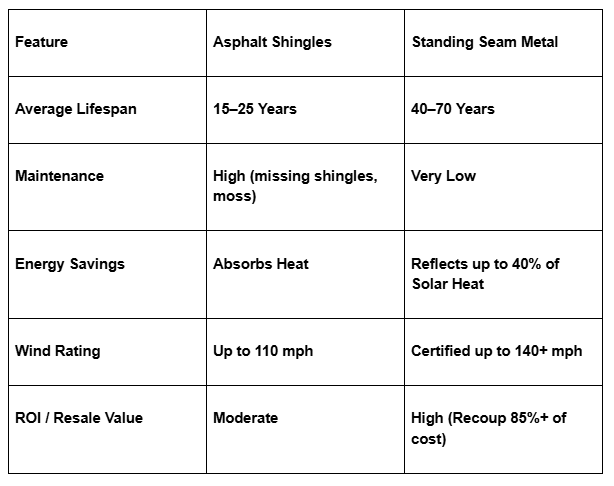
Standing Seam vs. Asphalt Shingles: A Direct Comparison
If you are weighing the cost of a new roof, it’s essential to look past the initial price tag and consider the total cost of ownership.
Why 2026 is the Year of the "Cool Roof"
Sustainability is no longer a niche trend; it’s a requirement for many modern green building codes. Metal is considered a "Cool Roof" material because of its high solar reflectance.
Reduced Cooling Costs: Homeowners can save between 10% and 25% on annual energy bills by switching to a light-colored or reflective metal roof.
Eco-Friendly: Most metal roofing is made from recycled steel and is 100% recyclable at the end of its life, keeping thousands of tons of asphalt out of landfills every year.
Solar Ready: Standing seam is the ideal platform for solar panel installation. Specialized S-5! clips allow solar racks to be attached directly to the seams without drilling a single hole in your new roof.
Expert Tips for Hiring a Roofing Contractor
A metal roof is only as good as its installation. When searching for a "roofing company near me," ensure they have specific experience with standing seam.
Request an On-Site Roll-Former: Premium contractors often roll-form their panels on-site to ensure a custom fit for your home's exact dimensions.
Verify Underlayment: Ensure they use a high-temperature synthetic underlayment specifically designed for metal systems.
Ask About Warranties: Look for a weathertightness warranty in addition to the manufacturer's paint finish warranty (often 35–40 years for Kynar 500 finishes).